

America is facing a literacy crisis.
The 2024 National Assessment of Educational Progress (NAEP) reported some of the United States’ lowest reading achievement scores since the start of data collection in 1992.1
This is alarming—strong early reading skills are foundational for later academic success.
Over a lifetime, literacy gaps have also been linked with economic4 and healthcare-related5 disparities.
Reading skills as early as first grade are a strong predictor of tenth grade reading outcomes.2
Children not reading proficiently in third grade do not graduate from high school on time at a rate four times greater than their proficient peers.3
So how do we best
support young readers?
Building a strong base
The Home Literacy Environment is an important factor in helping children reach their full reading potential. The Home Literacy Environment includes both the resources a family has (number of books, educational materials, time to read together) and the reading activities the family engages in (reading books, sounding out words).6
Shared reading
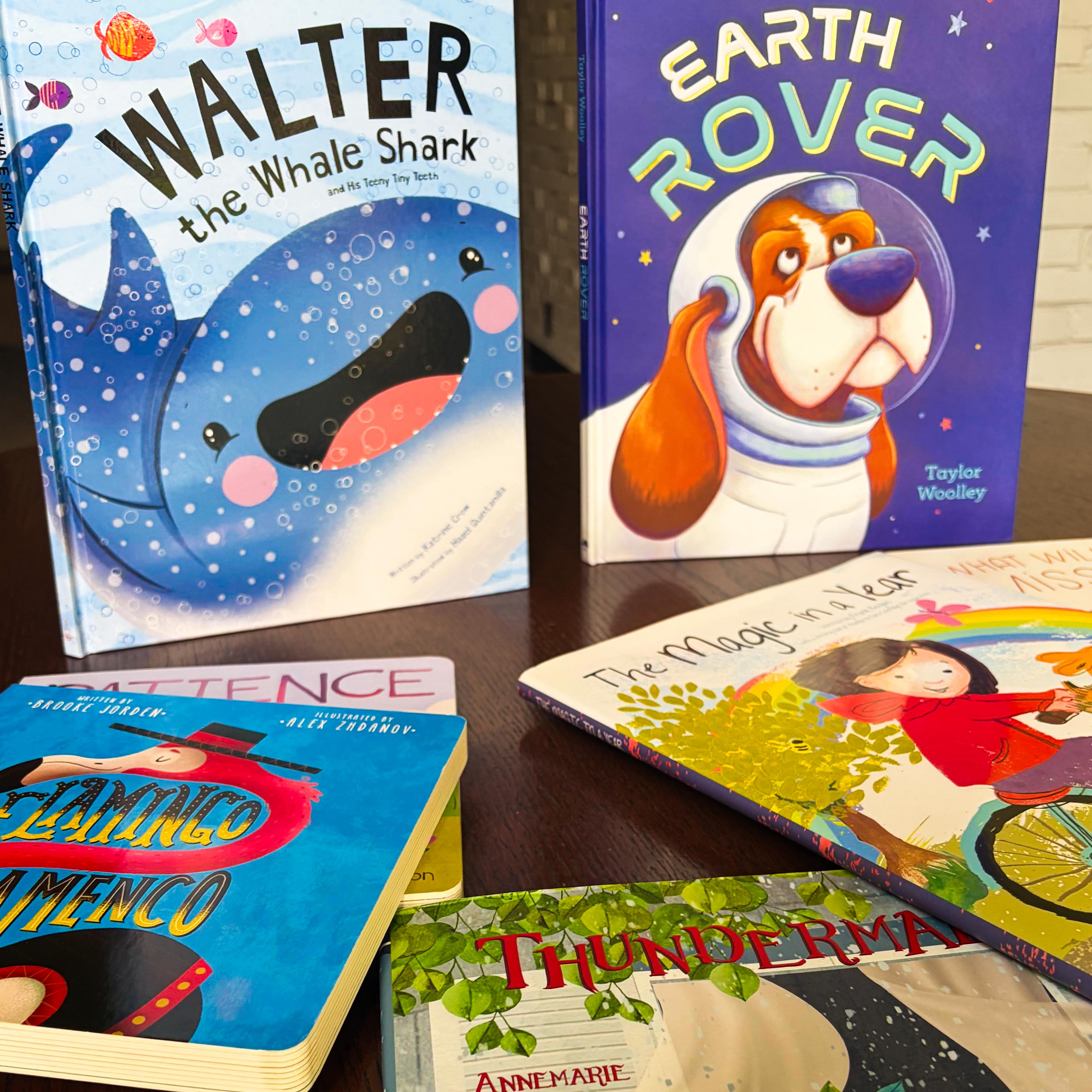
One of the most impactful activities to help your child get a headstart is reading storybooks. Being exposed to books during the preschool years help children develop the skills to be successful readers when entering school.7
However, it is not just the amount of time you spend reading, but the quality of that reading time that can shape a child’s reading skills.8
Interactive reading, where the caregiver transforms the story into a conversation, helps children learn vocabulary, supports their understanding of the plot, and can increase their enjoyment of reading.9
One type of interactive reading is called dialogic reading. Through dialogic reading, parents and caregivers repeat a series of conversational prompts designed to help jumpstart high quality talk about the book.10
7 Mol & Bus, 2011
8 Dickinson & Keebler, 1989
9 Pillinger & Vardy, 2022; Mol et al., 2008; Shahaeian et al., 2018
10 Zevenbergen & Whitehurst, 2003

The implementation gap
Dialogic reading has been shown to be effective at helping children strengthen their early literacy skills. So why isn’t it being used everywhere?
Most caregivers:
Haven't been trained in dialogic reading techniques
Don't know what questions to ask—or when
Are balancing time, stress, and competing demands
Our innovation
REED removes those hurdles by providing parents with expert-level guidance right at the moment it's needed. Every few pages, the REED app suggests a question that sparks conversation about the story.
Early results have found that parents ask more questions when using REED than when not using the app. These questions lead to more back and forth conversation between parent and child.

Stay in touch with us
Be the first to hear when REED grows and launches